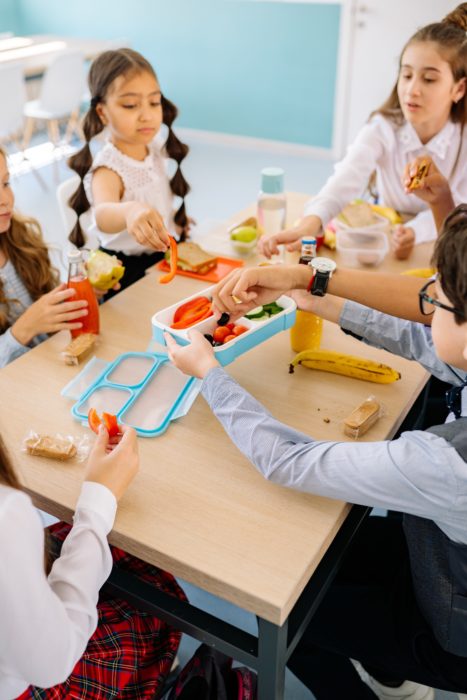
The start of a new school year brings excitement, fresh routines, and plenty of preparation. Between shopping for school supplies, organizing schedules, and meeting new teachers, it’s easy to overlook one of the most important items on your to-do list: your child’s health.
A healthy start to the school year can help children feel their best, stay focused in the classroom, and miss fewer school days due to illness. Taking a little time now to prepare can make the transition back to school smoother for the whole family.
Use this back-to-school health checklist to help your child start the year healthy, confident, and ready to learn!
Schedule an Annual Well Visit
Your child’s annual well visit is about much more than checking height and weight.
During a well visit, your primary care provider will:
- Monitor growth and development
- Review your child’s medical history
- Discuss nutrition and physical activity
- Screen for vision, hearing, and developmental concerns
- Answer questions about sleep, behavior, or school
- Ensure your child is meeting important milestones
- Recommend any needed vaccines
These visits also provide an opportunity to build a relationship with your child’s healthcare provider and address concerns before they become bigger issues.
Make Sure Vaccines Are Up to Date
Many schools require certain vaccinations before students can attend classes. Even if your child isn’t due for school-required immunizations, staying current on recommended vaccines helps protect your child, classmates, teachers, and the community.
If you’re unsure which vaccines your child needs, your primary care provider can review their immunization record and make personalized recommendations.
Don’t Forget Sports Physicals
If your child plans to participate in school sports, they may need a sports physical before practices begin. Sports physicals evaluate whether your child can safely participate in athletic activities and identify any concerns that may require additional evaluation.
Keep in mind that a sports physical does not replace an annual well visit. Many children benefit from having both!
Reset Sleep Schedules Early
Summer often means later bedtimes and slower mornings.
Rather than waiting until the night before school starts, begin adjusting bedtime and wake-up times about one to two weeks before the first day of school.
Consistent sleep supports:
- Better concentration
- Improved mood
- Stronger immune function
- Learning and memory
- Healthy growth
Children who are well-rested are often better prepared to succeed both academically and socially.
Encourage Healthy Eating Habits
Good nutrition fuels growing bodies and active minds.
Before school begins:
- Plan balanced breakfasts
- Pack nutritious lunches and snacks
- Encourage fruits and vegetables
- Choose water over sugary drinks
- Involve children in meal planning when possible
Healthy eating habits established early can make busy school mornings much easier.
Support Your Child’s Mental Health
Returning to school can bring excitement, but it can also create stress or anxiety.
Take time to talk with your child about:
- New teachers
- Friendships
- Academic expectations
- Extracurricular activities
- Any worries they may have
Open communication helps children feel supported and gives parents an opportunity to recognize concerns early.
If your child continues to struggle with anxiety, sadness, or behavioral changes after school begins, talk with their healthcare provider.
Update Emergency Information
Before school starts, double-check that the school has current:
- Emergency contacts
- Medication forms
- Allergy action plans
- Medical conditions
- Insurance information
Keeping records up to date helps ensure your child receives appropriate care if an emergency arises.
Schedule Vision and Hearing Screenings if Needed
Vision and hearing play an important role in learning. If your child is squinting, complaining of headaches, struggling to hear instructions, or having difficulty in school, a vision or hearing evaluation may be recommended. Identifying concerns early can prevent unnecessary academic challenges.
Build Healthy Daily Routines
Children thrive on consistency.
As school approaches, begin practicing routines such as:
- Eating breakfast each morning
- Packing backpacks the night before
- Limiting screen time before bed
- Getting regular physical activity
- Washing hands frequently
- Brushing and flossing twice daily
Small habits can have a big impact throughout the school year.
Partner with Your Primary Care Provider for a Healthy School Year
Preparing for school isn’t just about buying notebooks and backpacks; it’s about giving your child the healthiest possible start to the year.
By scheduling preventive care, staying up to date on vaccinations, encouraging healthy routines, and supporting both physical and emotional well-being, families can help children head into the classroom ready to learn and thrive.
If you have questions about annual well visits, vaccinations, sports physicals, or your child’s overall health, your primary care provider can help you navigate the school year with confidence.