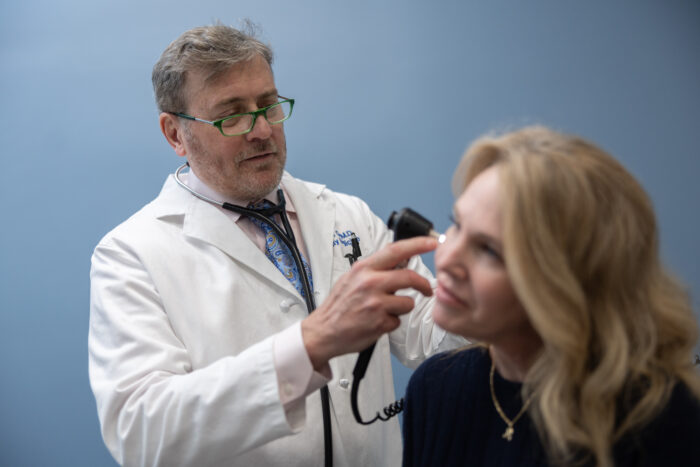
As we age, our health needs change. While aches, pains, and chronic conditions may come with time, one of the most powerful tools to protect your long-term health is prevention. Preventive screenings help detect health problems before they become serious, when they’re easiest to treat and manage.
For older adults, preventive care is especially important. According to the CDC, nearly 60% of adults over 65 have at least two chronic conditions, such as heart disease, diabetes, or arthritis. Annual wellness visits, routine blood work, and age-appropriate screenings can make all the difference in catching issues early and maintaining independence.
In honor of Healthy Aging Month, let’s take a closer look at why preventive screenings matter, which tests are most important for older adults, and how primary care providers coordinate care to help you age well.
Why Preventive Screenings Are Essential for Healthy Aging
Preventive screenings are medical tests designed to detect disease before symptoms appear. They can:
- Identify risk factors early.
- Catch diseases in their earliest, most treatable stages.
- Prevent complications from chronic conditions.
- Support a better quality of life and longer independence.
For older adults, screenings go beyond “routine checkups”—they are the foundation of healthy aging and proactive care.
Annual Wellness Visits: The Cornerstone of Prevention
The Annual Wellness Visit is more than just a physical. It’s a dedicated time for your primary care provider (PCP) to review your medical history, assess risk factors, and update your personalized care plan.
During your annual visit, your provider may:
- Review current medications for safety and effectiveness.
- Screen for memory concerns or cognitive decline.
- Discuss fall prevention strategies.
- Update vaccinations (flu, shingles, pneumonia, COVID boosters).
- Order lab work or imaging tests based on your needs.
This visit creates a roadmap for your health—coordinating screenings, lifestyle recommendations, and specialist referrals as needed.
Key Preventive Screenings for Older Adults
1. Blood Pressure and Cholesterol
Why it matters: High blood pressure and high cholesterol are major risk factors for heart disease and stroke, two of the leading causes of death in older adults.
Screening frequency: Blood pressure should be checked at least once a year; cholesterol every 4–6 years, or more often if you have heart disease, diabetes, or other risk factors.
2. Diabetes (Blood Sugar Testing)
Why it matters: Type 2 diabetes is common in older adults and often develops without symptoms. Left untreated, it can lead to kidney disease, vision loss, and nerve damage.
Screening frequency: Every 3 years starting at age 45, or more often if you are overweight or have additional risk factors.
3. Bone Density Test (DEXA Scan)
Why it matters: Osteoporosis is often called a “silent disease” because bone loss happens without symptoms until a fracture occurs.
Screening frequency: Women should have a bone density test at age 65, men at age 70. Those with risk factors (like fractures, smoking, or family history) may need testing earlier.
4. Colon Cancer Screening
Why it matters: Colorectal cancer is the second leading cause of cancer death in the U.S., but it is highly preventable with early screening.
Screening frequency: Colonoscopies are recommended every 10 years up to age 75, with other options like stool-based tests available. After 75, screenings may be individualized based on health status.
5. Breast Cancer Screening (Mammogram)
Why it matters: Breast cancer risk increases with age. Early detection saves lives.
Screening frequency: Women should discuss mammogram frequency with their provider beginning at age 40; typically every 1–2 years through age 74.
6. Prostate Cancer Screening
Why it matters: Prostate cancer is one of the most common cancers in men.
Screening frequency: The decision to screen is individualized for men over 50, based on risk factors and overall health.
7. Cervical Cancer Screening
Why it matters: While cervical cancer is less common in older women, regular Pap smears or HPV testing can still be important.
Screening frequency: Women may stop screening at age 65 if they’ve had adequate recent negative tests and are not high risk.
8. Vision and Hearing Checks
Why it matters: Age-related vision loss (like macular degeneration) and hearing loss are common and can affect safety, independence, and mental health.
Screening frequency: Eye exams every 1–2 years; hearing checks as needed.
9. Cognitive and Mental Health Screenings
Why it matters: Memory concerns, dementia, depression, and anxiety are not “normal” parts of aging and can be treated or managed.
Screening frequency: Cognitive screenings are often included in annual wellness visits; mental health screenings can be done whenever symptoms are present.
10. Vaccinations
Why it matters: Older adults are at higher risk for complications from infections like the flu, pneumonia, shingles, and COVID-19.
Screening frequency: Flu vaccine annually, shingles once after age 50, pneumonia series after age 65, and COVID-19 boosters as recommended.
How Preventive Screenings Catch Issues Early
Preventive care saves lives because many serious health problems develop silently:
- Hypertension causes no symptoms until heart damage occurs.
- Osteoporosis isn’t noticed until a bone breaks.
- Colon cancer may develop for years before symptoms appear.
- Screenings give providers the opportunity to intervene early—prescribing medication, recommending lifestyle changes, or referring you to specialists before complications arise.
The Role of Primary Care in Coordinating Screenings
Primary care providers are the quarterbacks of your healthcare team. They:
- Track which screenings you’re due for.
- Order and interpret test results.
- Coordinate referrals to specialists (like gastroenterology or neurology).
- Provide reminders and follow-ups so nothing slips through the cracks.
- For those with multiple chronic conditions, your provider may also recommend Chronic Care Management (CCM), a program offering monthly support to keep you on track between visits.
Supporting Prevention Through Nutrition and Mental Health
At Avance Care, preventive care doesn’t stop at screenings. Our integrated services support every part of healthy aging:
- Nutrition: Registered dietitians help you adopt heart-healthy, bone-strengthening, and brain-supportive diets.
- Behavioral health: Counselors and geriatric psychiatrists provide support for depression, anxiety, or cognitive concerns often uncovered during screenings.
- Primary care: Coordinates preventive care, screenings, and long-term planning for optimal health.
Take the First Step Toward Healthy Aging
Preventive screenings are not just boxes to check—they are investments in your future health, independence, and quality of life. By staying current with annual visits, lab work, and age-appropriate tests, you give yourself the best chance at catching issues early and enjoying more years of vitality.
At Avance Care, we’re here to guide you through every step of preventive health—helping you stay informed, empowered, and supported at every stage of aging.
Schedule your annual wellness visit today and take the first step toward aging well with confidence.