As a dietitian, I don’t love the term “Mediterranean Diet.” It can be misleading because many people assume they need to eat Greek or Mediterranean cuisine to be healthy. In reality, Mediterranean-style eating is less about specific recipes and more about an overall pattern of eating.
What is a “Mediterranean Diet”?
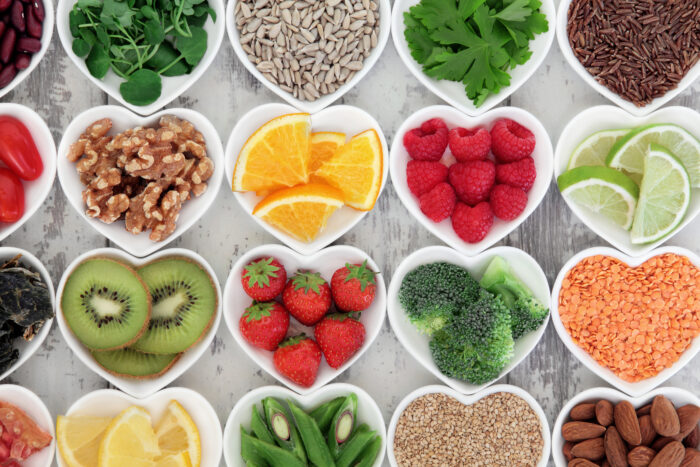
At its core, a Mediterranean-style eating pattern emphasizes whole, minimally processed, plant-forward foods, including fruits, vegetables, whole grains, beans, lentils, nuts, seeds, and healthy plant-based fats like olive oil. It also includes seafood and other lean protein sources while limiting highly processed foods and red meat.
The best part? These principles can be adapted to almost any cuisine or cooking style. You don’t have to give up your family’s favorite meals or cultural traditions to enjoy the health benefits of Mediterranean-style eating.
Why Mediterranean-Style Eating Works
Many people think that nutrition advice changes constantly, but although there are always nutrition fads that come and go, the fundamentals of healthy eating have remained consistent for decades.
The Mediterranean-style diet first gained attention in the 1950s when researchers observed lower rates of coronary artery disease among people living in the countries bordering the Mediterranean Sea. Eating patterns in this area of the world tend to include foods naturally rich in fiber and unsaturated fats. These nutrients promote fullness and keep blood sugar steady, and also have many anti-inflammatory properties that promote heart and brain health.
Since then, this eating pattern has been extensively studied and is associated with numerous health benefits, including a reduced risk of cardiac events (heart attack, stroke, etc.) reduced risk of type 2 diabetes and improved glycemic control for those with type 2 diabetes, reduced risk of cancer, and lower incidence of cognitive decline and neurodegenerative disorders.
Today, Mediterranean-style eating is consistently recommended by organizations including the American Heart Association, American Diabetes Association, and the Dietary Guidelines for Americans.
Foods to Emphasize in Mediterranean-Style Eating
- Vegetables and fruits: Incorporate a colorful variety throughout the day. Aim for at least 3 servings of vegetables and 3 servings of fruits each day.
- Whole grains and starchy vegetables: Choose whole grains and high fiber, starchy vegetables daily, including oats, brown rice, barley, farro, quinoa, potatoes, corn, whole-grain pasta, or whole-grain bread.
- Beans, lentils, legumes, nuts, and seeds: These foods provide fiber, protein, healthy fats, vitamins, and minerals. Try incorporating them into meals or snacks daily.
- Healthy fats: Use olive oil as your primary cooking oil and in dressings or dips. Also enjoy other healthy plant fats like olives and avocados regularly.
- Seafood: Include fish or shellfish several times per week, especially fatty fish such as salmon, trout, mackerel, herring, or tuna.
- Dairy: Enjoy in moderate portions. Focus on low-fat dairy options for milk, yogurt, and cottage cheese when able.
- Poultry and eggs: Choose skinless, lean cuts of poultry most often. Moderate egg intake, aiming to limit to around 7 whole eggs per week. No limit on egg whites.
Foods to Have Less Often
- Red meat. Try limiting beef, pork, and lamb to about one 3-ounce serving once per week when possible. When choosing red meat, select leaner cuts such as sirloin or tenderloin.
- Processed meats. Foods such as bacon, sausage, hot dogs, deli meats, and salami are best enjoyed occasionally. When possible, replace them with poultry, seafood, beans, or lentils.
- Butter. Use olive oil most of the time for cooking, baking, or dipping bread.
- Refined grains, refined sugars, and sugar-sweetened beverages. Choose whole grains and high-fiber carbohydrate sources most often. Try fresh fruit to satisfy a sweet craving. Choose water as your primary beverage and use herbal teas, lemon water, or carbonated water as flavorful alternatives.
- Processed snack foods. Try incorporating fresh fruit or raw vegetables as a snack. Nuts, seeds, and dry-roasted beans also work well for a snack on the go.
The Mediterranean-style diet is not a strict diet with rigid rules. It’s an overall pattern of eating. Thus, it does not require perfection. Think of these foods instead as occasional items and eat these foods mindfully while enjoying them.
Simple Ways to Start Mediterranean-Style Eating This Week
- Swap your cooking fat: Use olive oil instead of butter for cooking or making salad dressing.
- Try a meatless meal: Build a lunch or dinner around beans, lentils, or chickpeas.
- Choose whole grains: Replace white rice, white bread, or white pasta with oats, brown rice, quinoa, farro, whole-grain bread, or whole grain pasta.
- Add a seafood night: Plan one dinner each week featuring salmon, trout, tuna, shrimp, or another seafood favorite. Keep canned tuna or salmon on hand for quick meals.
Examples of Mediterranean-Style Meals and Snacks
Breakfast:
- Greek yogurt topped with berries, walnuts, chia seeds, and a whole grain granola.
- Steel-cut or old-fashioned oats with chia seeds, nut butter, cinnamon, berries, and banana.
- Egg white omelet with spinach, mushrooms, and feta cheese. Add spoonful of low fat or skim cottage cheese to the eggs for extra protein.
Lunch:
- Greek-style grain bowl with farro, cucumbers, tomatoes, onions, olives, feta, chickpeas, hummus, and olive oil-lemon dressing.
- Turkey chili with kidney beans, pinto beans, quinoa, peppers, and tomatoes topped with onions, dollop of Greek yogurt, and avocado.
- Baked salmon with whole grain pasta and roasted squash and zucchini, topped with pesto.
Snack:
- Apple slices with peanut or almond butter.
- Hummus with carrots and bell peppers.
- Fresh berries with a low-fat cheese stick.
Dinner:
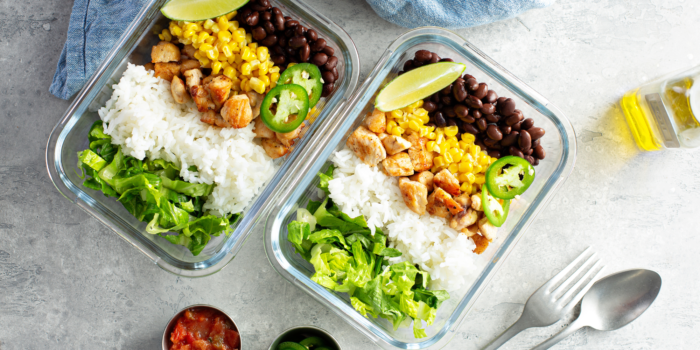
- Southwest-style bowl with brown rice, black beans, peppers, onions, grilled chicken, topped with salsa and guacamole.
- Shrimp stir-fry with brown rice, carrots, onions, cauliflower, broccoli, and scrambled eggs, topped with reduced sodium soy sauce.
- Lemon garlic baked salmon with roasted vegetables and potatoes.
Dessert:
- Fresh fruit.
- Air-popped popcorn drizzled with olive oil and a handful of pistachios.
- A small serving of your favorite dessert, enjoyed mindfully.
The Bottom Line
There is no single “Mediterranean diet.” Instead, it’s a flexible pattern of eating that emphasizes whole, plant-forward foods, healthy fats, seafood, and minimally processed ingredients while making red meat, sweets, and highly processed foods occasional choices.
Perhaps most importantly, the healthiest eating pattern is one that you can maintain over time. Mediterranean-style eating can be adapted to different cuisines, cultures, budgets, schedules, food preferences, and health conditions. Start with one small change, build from there, and remember that progress matters far more than perfection.
Over time, these simple habits can support heart health, blood sugar management, digestive health, brain health, and overall well-being.
If you’d like personalized guidance, consider working with a registered dietitian to adapt Mediterranean-style eating to your lifestyle and health goals! You can learn more about Avance Care Nutrition Services and schedule online here.